- Choose a sleeping pad with a minimum R-value of 4.0 to block ground chill.
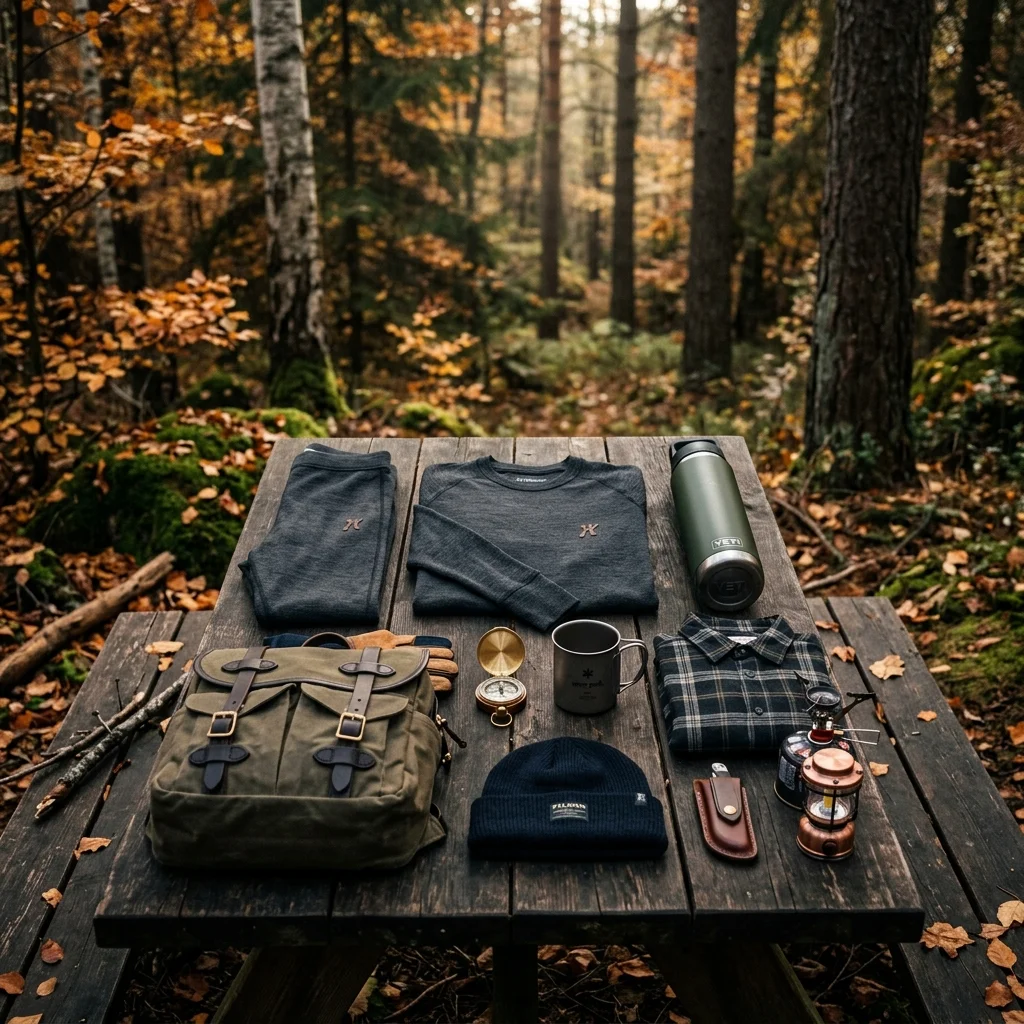
- Wear merino wool base layers instead of cotton to retain body heat when damp.
- Ventilate your three-season tent to prevent internal condensation buildup.
- Pack high-capacity power banks because cold weather drains electronics faster.
Autumn camping gear comprises specialized insulation and moisture-management equipment designed for dropping temperatures. This setup relies on a layered clothing system, a thermally resistant sleep foundation, and reliable shelter ventilation.
What gear is essential for autumn camping?
You must equip yourself with specific insulation to combat dropping temperatures and unpredictable weather. Cotton fabrics lose heat-retaining properties when wet. Merino wool and synthetic fibers wick moisture away from your skin. High-capacity power banks ensure communication devices remain operational when cold air drains batteries quickly.
The Sleep System: Defeating Ground Cold
Your sleep system serves as the primary defense against hypothermia during crisp nights. The ground rapidly absorbs body heat through conductive heat transfer from the soil.
R-Value Requirements for Autumn
Thermal resistance determines how effectively your sleeping pad prevents heat loss. Choose an insulated sleeping pad with an R-value of 4.0 or higher for autumn conditions. A standard summer pad typically offers an R-value of 1.0 to 2.0. This lower rating provides insufficient insulation when soil temperatures drop below 10°C. Pair your high R-value pad with a mummy sleeping bag. The sleeping bag must feature a comfort rating at least 5°C lower than the coldest expected night temperature. The mummy shape minimizes the internal air volume your body needs to heat. Create a thermal barrier between you and the cold ground using this combination.
The Hot Water Bottle Technique
You can generate supplementary heat inside your sleeping bag using a simple technique. Fill a leak-proof thermos or water bottle with hot water before bed. Place the sealed bottle near your feet inside the sleeping bag. This acts as a radiant heat source throughout the night. Plan your morning dip at one of the best wild swimming spots in Cornwall with a warm sleeping bag ready for recovery.
Autumn Layering Principles
Dynamic weather requires an adaptable clothing strategy. A three-layer system regulates core temperature during active and static periods.
Base and Insulating Layers
Moisture-wicking synthetic or merino wool fabrics sit directly against your skin. Merino wool naturally resists odors and retains warmth even when damp. The insulating layer traps body heat to create a microclimate around your torso. Pack a down or synthetic puffy jacket for this purpose. The outer shell provides a waterproof and windproof barrier. Ensure your outer layer features sealed seams and breathable membrane technology.
Managing Shelter Condensation
Cold autumn air holds less moisture than warm summer air. A three-season tent traps the warm vapor exhaled by campers overnight. This vapor hits the cold tent fabric and transforms into liquid condensation. Keep tent vents partially open to facilitate airflow and reduce condensation buildup inside your tent. A small doormat placed outside the vestibule prevents mud from entering the living space. Consider booking an off-grid retreat like those featured in our Meet the Maker: Handcrafted Shepherd Huts interview for a completely dry experience.
Power and Lighting for Shorter Days
Daylight hours decrease rapidly during the autumn months. Every camper needs a reliable headlamp with extra batteries. Cold weather degrades battery performance by slowing down internal chemical reactions in lithium cells. Keep your smartphone and power bank stored inside an inner jacket pocket during the day. Place them inside your sleeping bag at night to preserve battery life.
Essential Autumn Camping FAQ
What is the most important gear for autumn camping?
An insulated sleeping pad with an R-value of 4.0 or higher stands as the most critical item. It prevents the cold ground from absorbing your body heat during the night.
Can I use a summer tent for autumn camping?
Yes, you can use a summer tent featuring a full-coverage rainfly. However, a three-season tent offers better wind resistance and thermal retention.
Why should I avoid cotton clothing while camping in autumn?
Cotton absorbs sweat and environmental moisture rapidly. It loses all insulating properties when wet and takes a long time to dry in cool conditions.
Conclusion and Next Steps
Proper preparation transforms chilly autumn nights into comfortable outdoor experiences. Thermal resistance requirements for autumn terrain dictate your success in the field. More guides like this appear when you search 'Tractors and Tents Autumn Camping' on Google.
Sources
- National Park Service: Cold Weather Camping Guidelines
- American Hiking Society: Layering for the Cold